Good Talk: A Memoir in Conversations by Mira Jacobs + Reflections on Social Justice Warriors
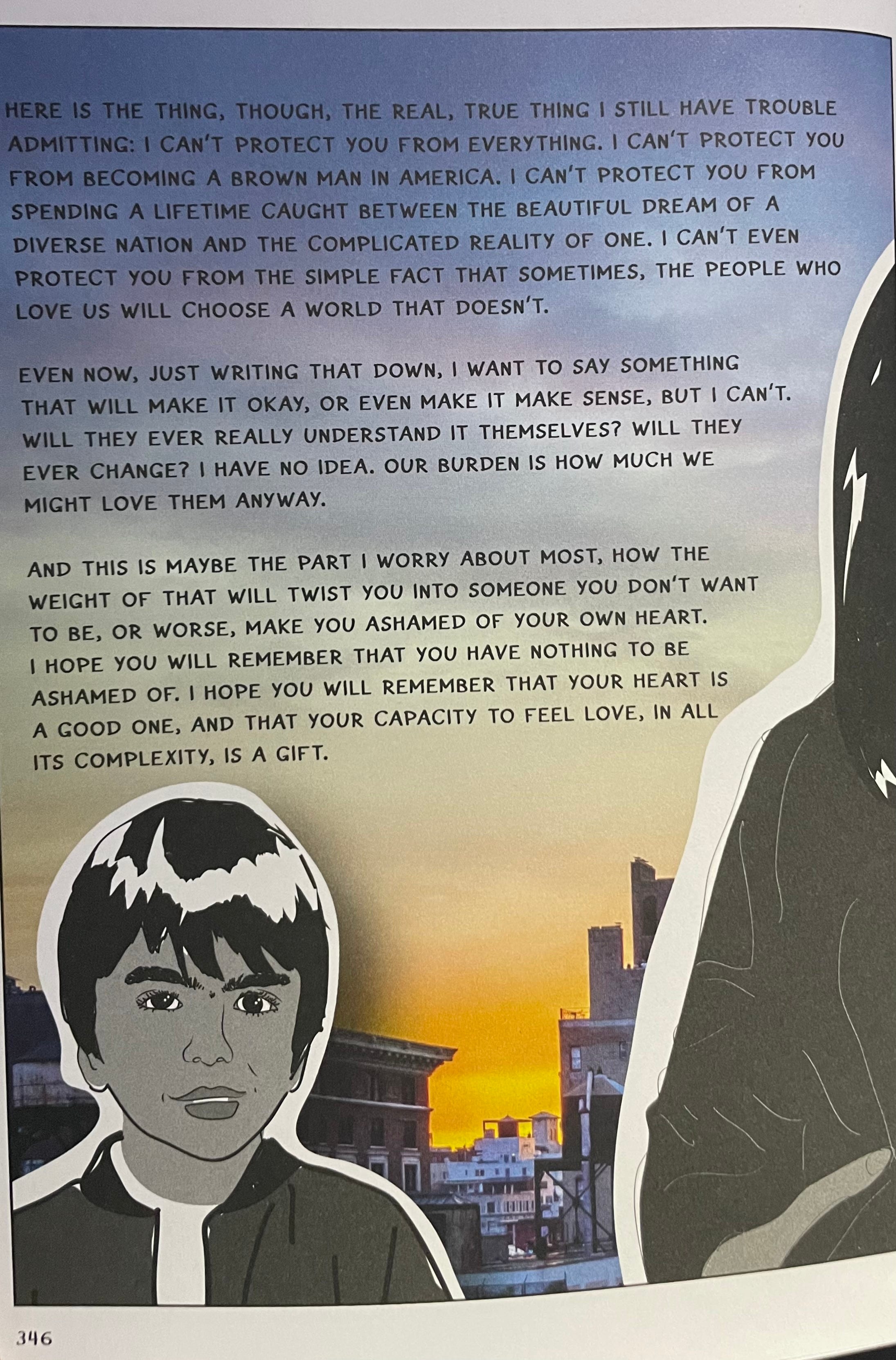
Sometimes, the people who love us will choose a world that doesn’t. Our burden is how much we might love them anyway.

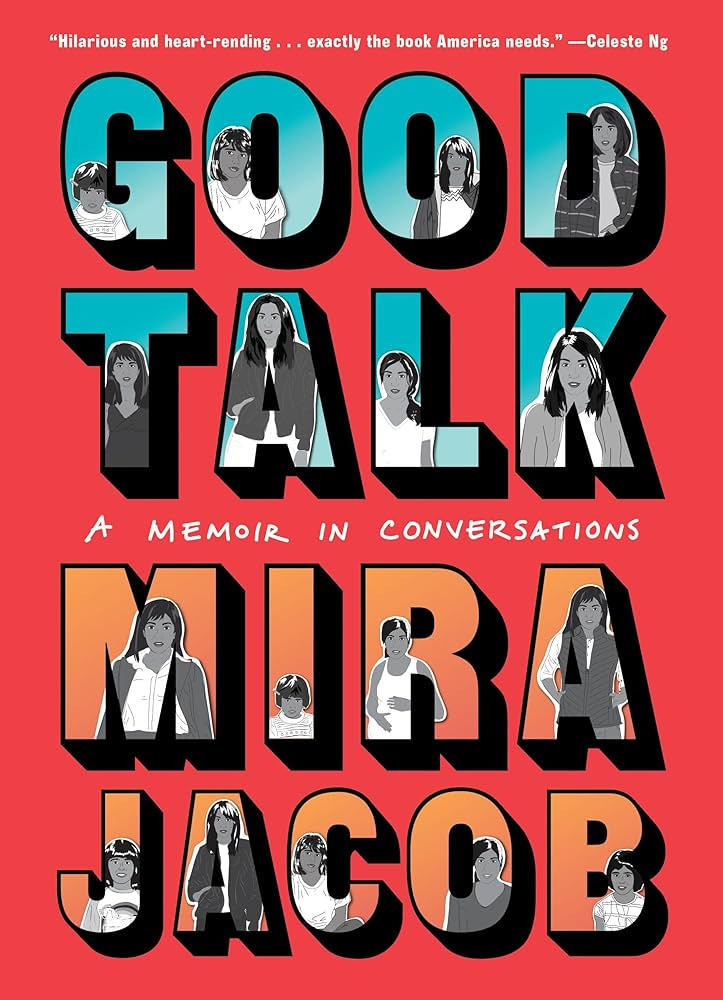
Thank you Lily for letting me borrow your book on that bench in Arrington Vineyards and for proceeding to let me hog it for the rest of the trip. Thank you also to the friends on the Nashville trip for putting up with my debates on social justice warriors, cultural appropriation, and resilience.
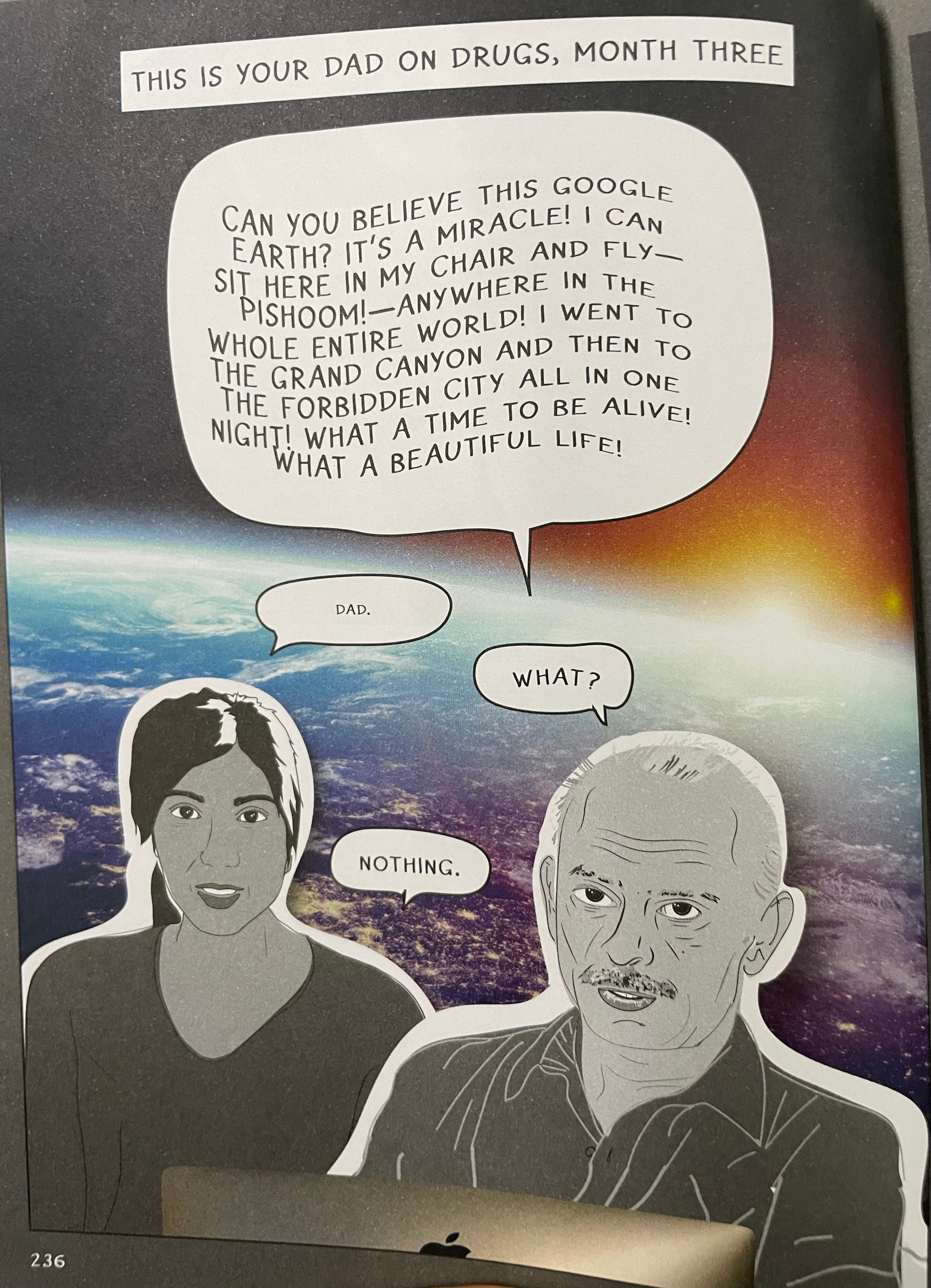
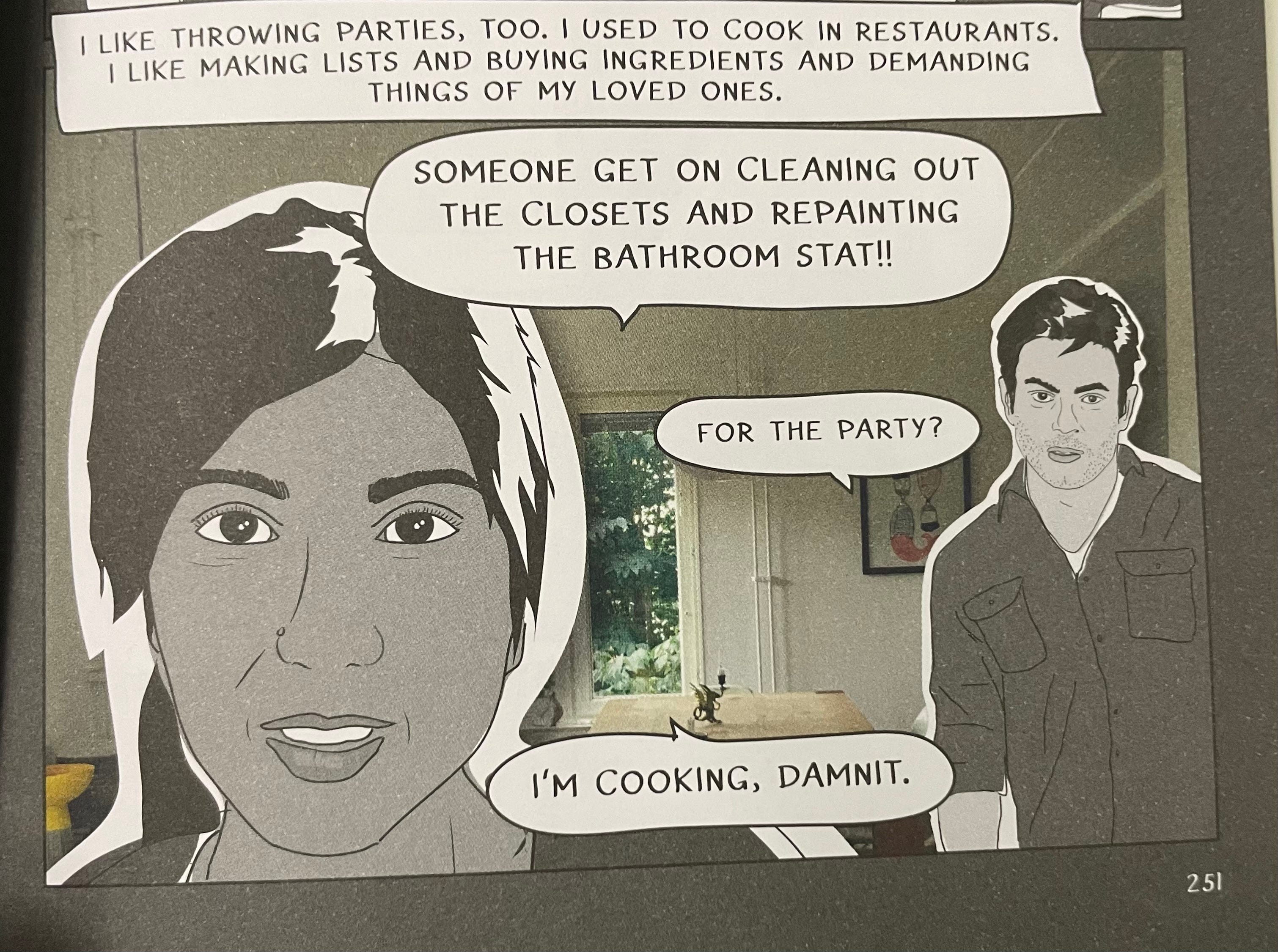
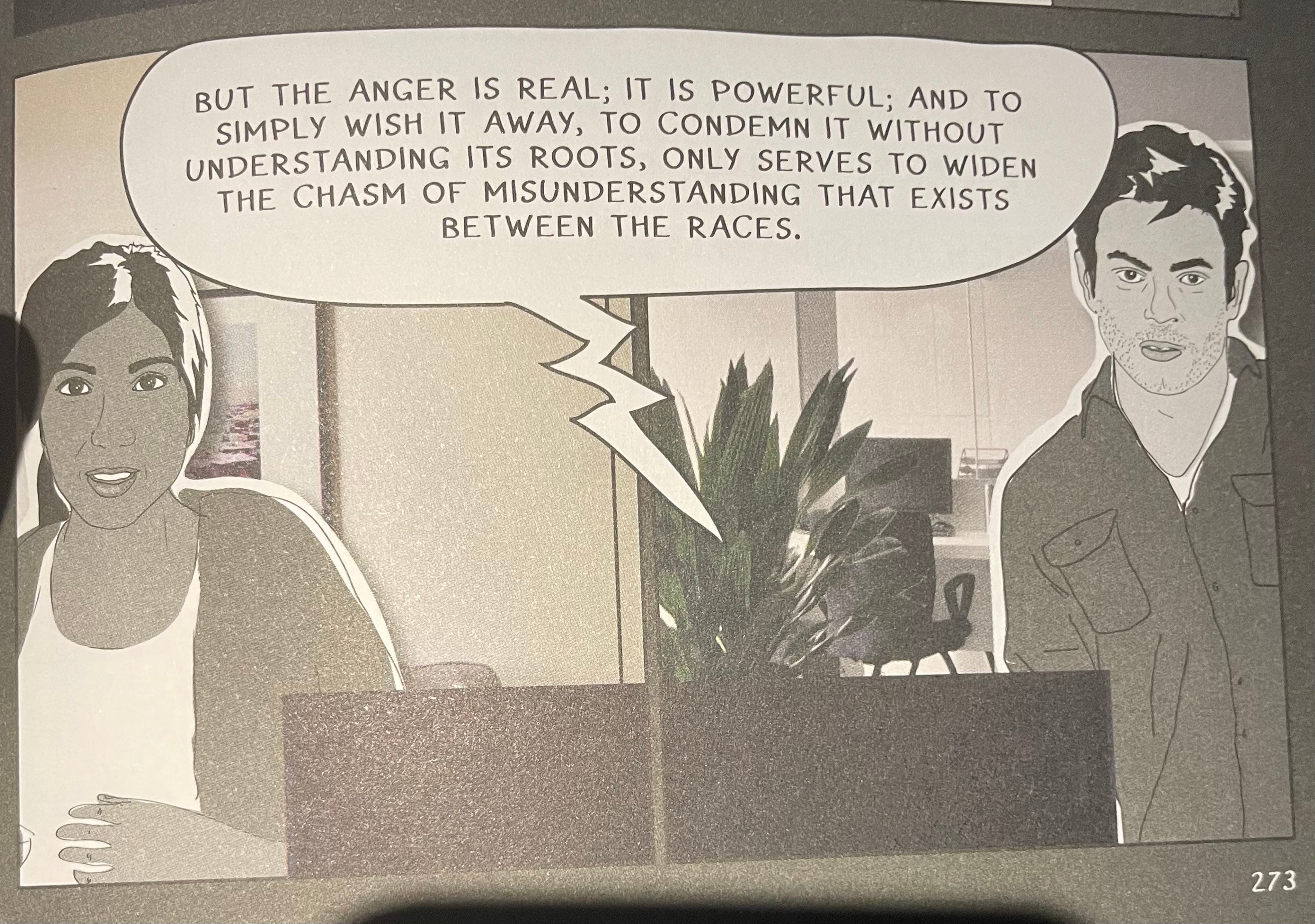
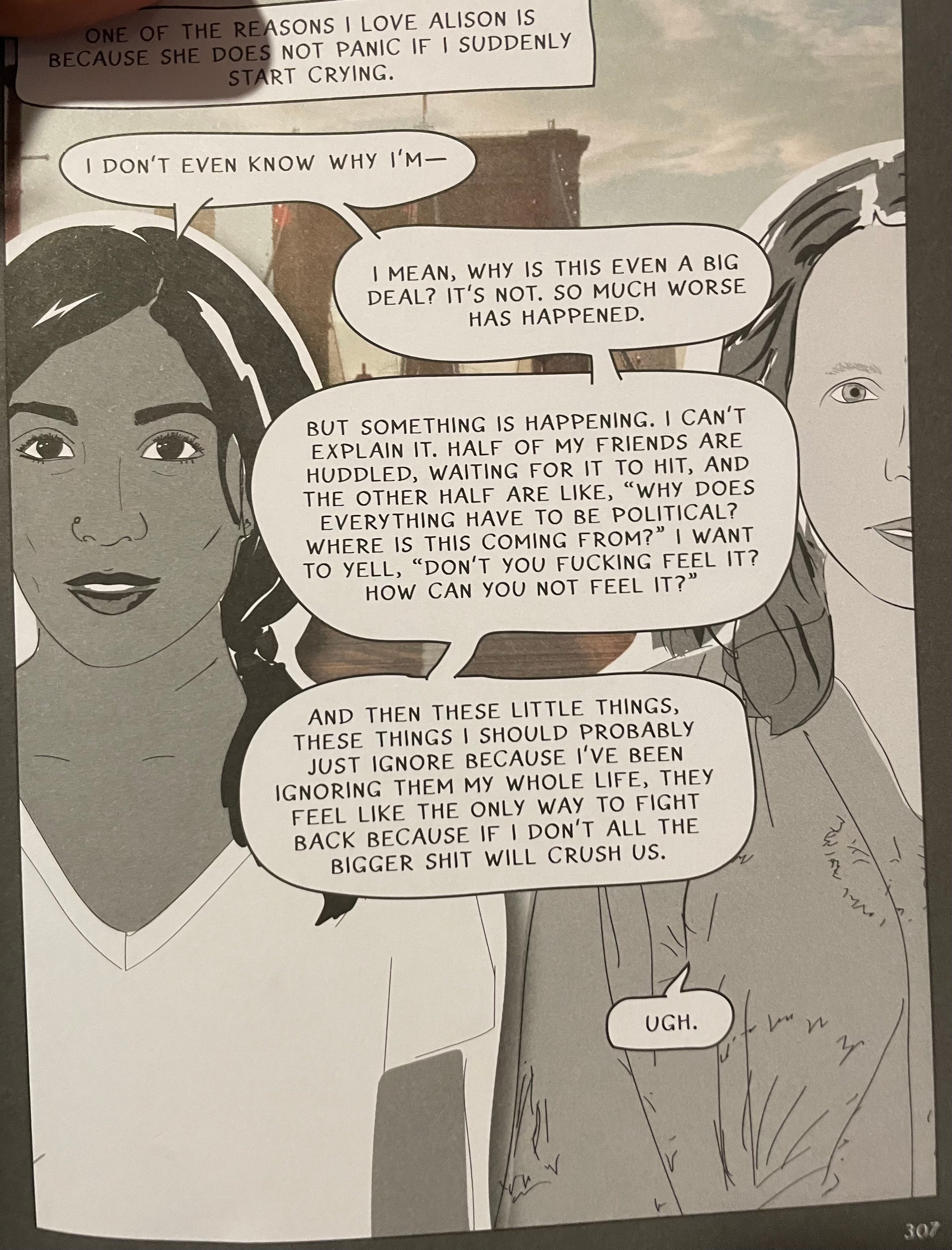
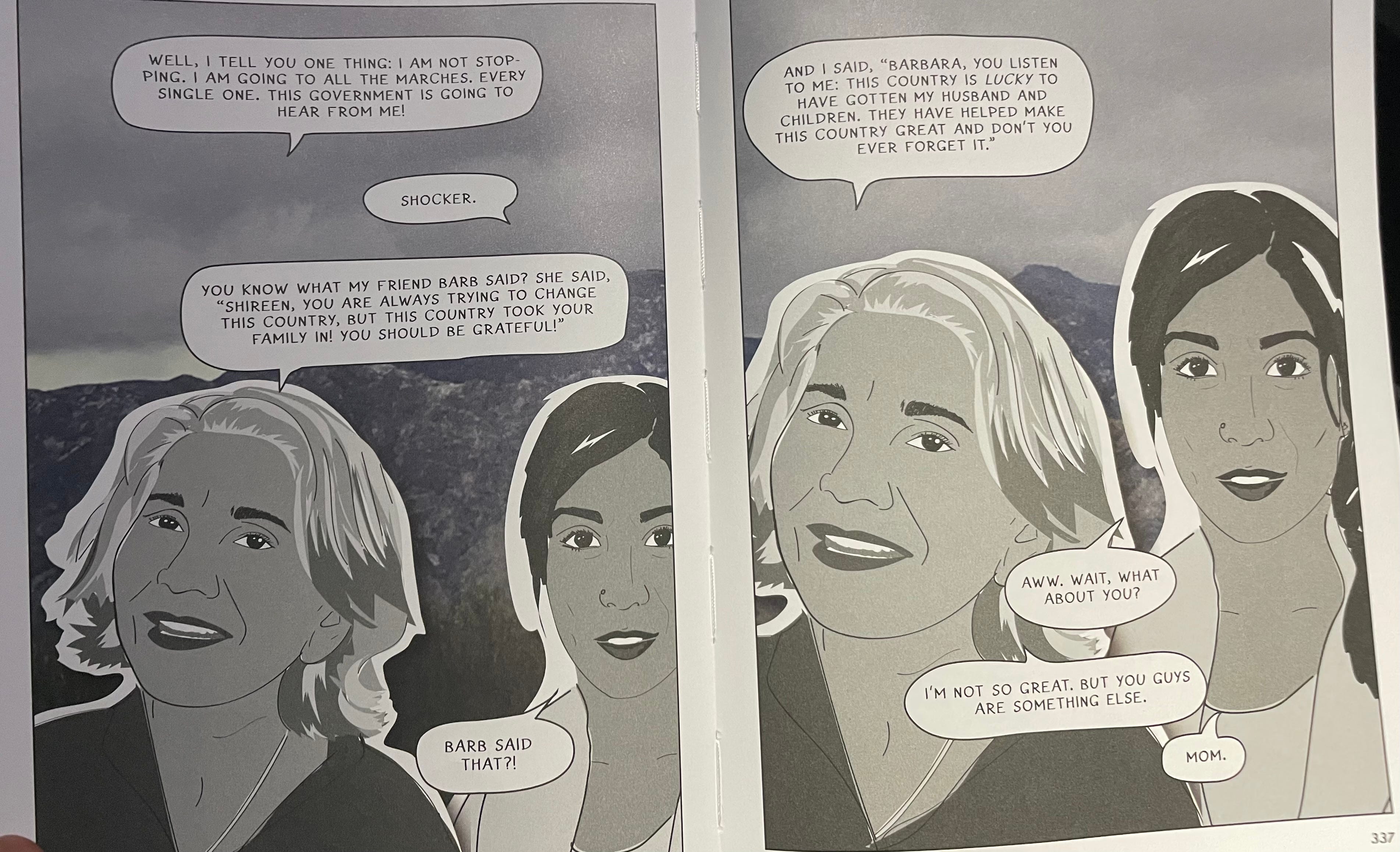
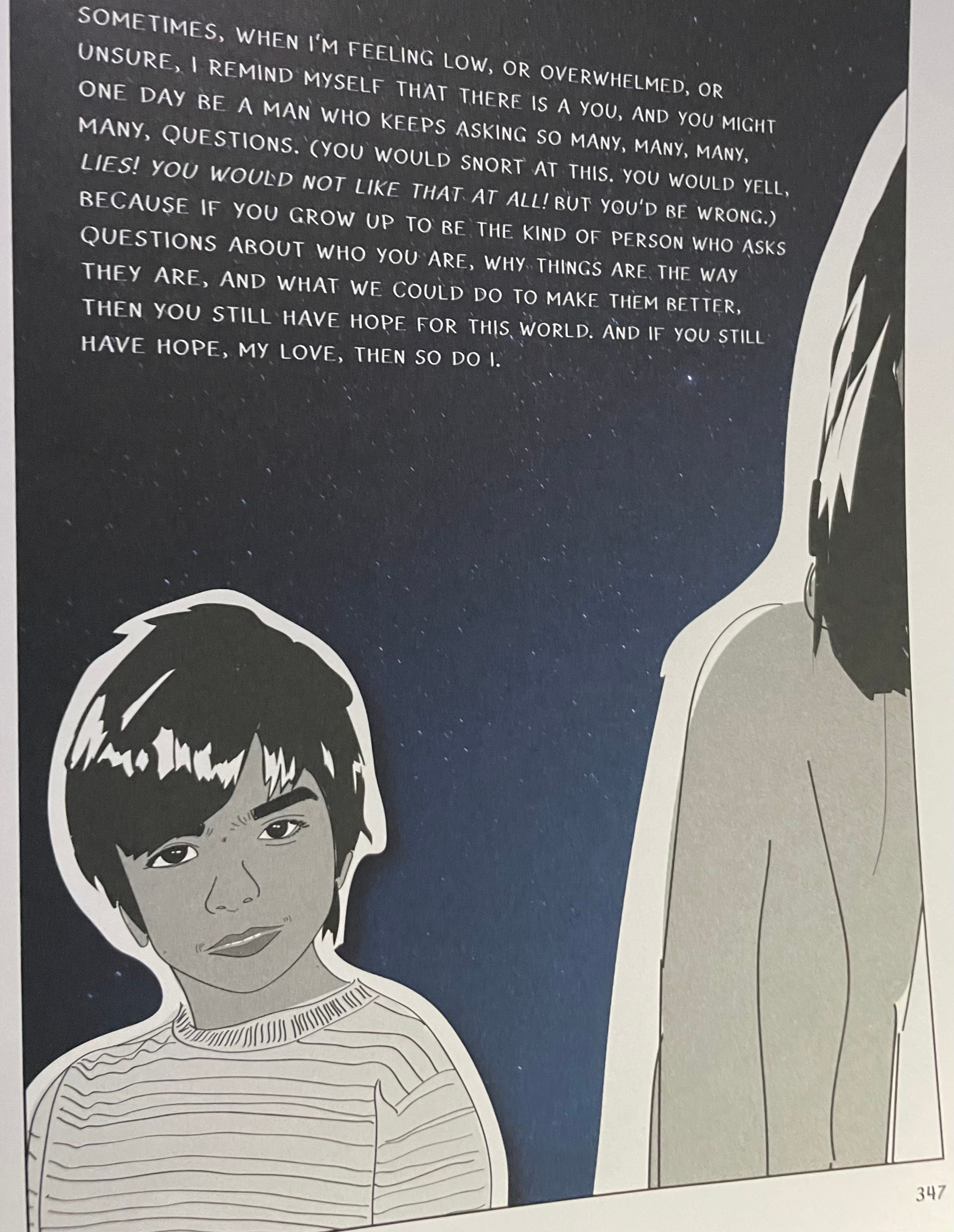
Good Talk is a comic book memoir written by Mira Jacobs. Fewer words and more pictures may be the new mode of writing. While the actual drawings are slightly off-putting, Mira rocks it and made me realize that comics are an under-utilized medium for communicating life experiences.
The story is told through two separate threads: (1) Chronologically through her life (her parents’ journey as well as her childhood, teenage years, and adulthood) and (2) Conversations with her son, who asks piercing and goofy questions about issues of the current times.
In the first thread, Jacobs relays her experiences as an Indian American growing up during the 1970s in Albuquerque, New Mexico. It was an era where Indians, or really any type of Brown, did not have much representation in America — growing up in that world must have made you feel like you were the first of your kind to live a particular experience. As an Indian American growing up in the early 2000s, I simply can’t fully relate to the novelty of that type of childhood. For everything I have done, there has been a brown man who has likely done it before and better. TL;DR: I have role models in society who have both looked and thought like me, while Jacobs didn’t necessarily have that luxury.
A Brief Rant on SJWs and Adversity
Throughout the book, I found myself frustrated about how Mira framed problems she encounters. Race, gender, society, and privilege. It reminded me of meeting well-off people (ex: upper-middle class asian girl from Long Island) at school who seem to continually be bogged down by being the ‘non-majority’, despite their success and relatively comfortable ascent into Penn. I’ve always struggled to connect with people like that.
Their frustration gives me an off-feeling and it is not because I don’t see or feel where they’re coming from. I’ll label these type of people as ‘Social Justice Warriors’ (SJWs) — and in the most non-pejorative context (perhaps that’s hypocritical of me). To me, an SJW is someone who gets stuck on questions like identity politics / race / sexuality. To clarify, getting stuck is entirely different than acknowledges the complexity of these subjects and holding [strong] opinions.
I can’t recount a time where my parents or other immigrant parents in the 1st Generations who I know focus their conversations on politicizing even a minority of issues that are brought up. Immigrants seem to have a high level of resilience, built by traits which got them to this country and which has kept them strong during tough times. They prioritized values like ruthless dedication to hard work, studies, and family. (Those traits can be toxic when mishandled, but for the most part, they’re what has created the model minority).
In contrast, the 2nd Generation has been raised by these values but my hypothesis is that we have (mostly) not been forced to understand why these values matter more than anything else. We can read our fables and hear stories from our parents, but dreams built on if-I-don’t-make-it-there’s-no-2nd-chance hunger and real struggles are hard to understand in a bubble.
Paras had a good thought on this. Immigrants comes from backgrounds of adversity, so they recognize that life is not fair. People don’t start on an even playing field; to expect that is a fools upbringing. My claim is that many people live life on the implicit assumption that life should be fair. It makes the first response to adversity about complaining and politicizing issues, and then being able to vent and cancel each other instead of buckling down and focusing on the factors that drive true change and success. It’s no secret that the modern world is built on broken foundations — individuals and institutions have stepped on top of each other in the most brutal, oppressive ways to get mere inches ahead. Human nature breeds game theory situations which too often betray progress. Sh*t happens; the world’s f*cked up; imperialists suck; my country has committed acts of terror; innocent people are oppressed and jailed; etc. Whatcha gonna do about it? Vent to your friend who will comfort you; stop talking to your parents who voted for Trump; ignore facts about reality?
Life’s a sh*t-show, but before we focus on fixing our generation, let’s fix ourselves. Lead by example. Show the traits that prove strength: resilience (thick skin), non-violent communication, empathy (Why I, as a black man, attend KKK rallies | Daryl Davis | TEDxNaperville), maniacal focus, and having good goals [so you can think through the outcomes that matter].
I asked myself why I get so pressed by these types of people? Ultimately, it’s because deep down I really do care about society and humanity. SJWs are often not helping. They make noise so they can be heard and calmed down. Not so they can thoughtfully contribute, but so they can be acknowledged for something which at least to me, seems tiny. Despite media portrayal, I believe we as a species have made so much progress and that the best is yet to come.
Other thoughts:
When is cultural appropriation okay?
She “treated parents like well-meaning interlopers from another planet”. This made me laugh; maybe it’s a 2nd Gen Indian American feeling. I have parents who didn’t go to college in the US. Sometimes it feels like the way they view life and their own lifestyle is alien to what I perceive as normal.
“We think our hearts break only from endings—the love gone. The rooms empty, the future unhappening as we stand ready to step into it—but what about how they can shatter in the face of what is possible?”
Mira talks about a relationship in this quote. I interpreted it differently. Something that most people have never understood about me is how deeply sad I was once I got into Penn. I was a coward, afraid of my own potential and the possibilities of a life on a grander stage. Embracing a will to shape destiny was what has brought me the most pleasure and which continues to protect against that kind of heart break.
Like many in her generation, Mira has lots of frustration and feelings of helplessness. She has so much spite towards Trump, a man who represents ‘moving backwards’ to a generation that was hopeful about America during Obama’s tenure. I recognized this feeling from observing how Chitra would talk about Obama in a reminiscent and idyllic way.
Less so than with my parents, Mira Jacob’s parents reminded me of Amit’s parents. Arjun’s as well.
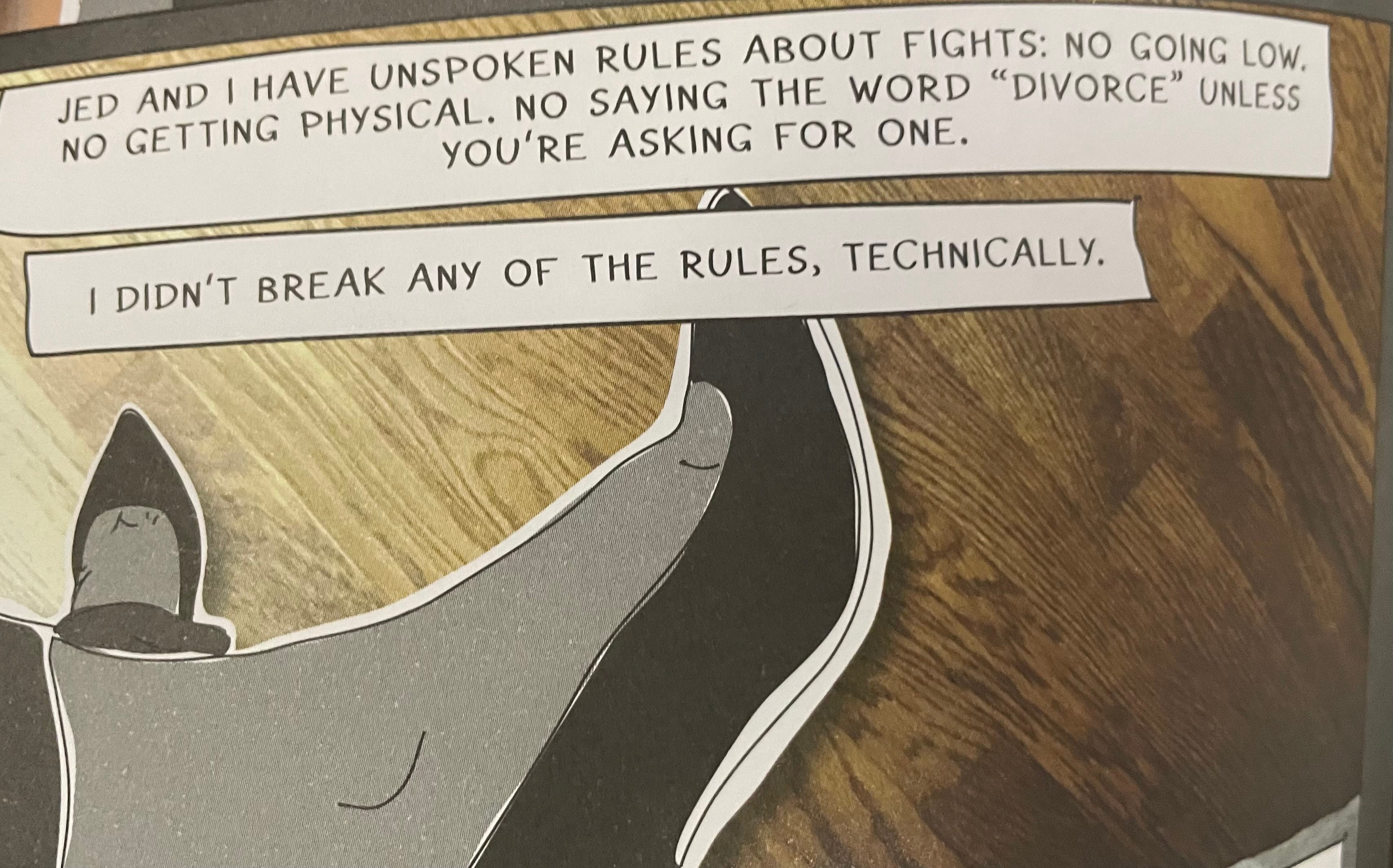
I was initially angered by how Mira was putting Jed between a rock and a hard spot on the issue of his parents supporting Trump. She really was making him choose. She was not letting the political life separate from the love. It created a rift and Jed talked less to his family. I really felt hurt by that, on behalf of others who may be in that situation. But by the end of the book, Mira really did come around a bit. “Sometimes, the people who love us will choose a world that doesn’t…Our burden is how much we might love them anyway.”
Selections: